Synergy and Balance in Yoga: Sukham and Sthira
The word synergy is a fabulous word, isn’t it? Synergy is the combination of two or more agents or forces so that their combined effect is greater than the sum of their individual effects. It implies dynamism and flow. Balance is similar in meaning, but it has a different tone. It’s two or more things coming together to create a state of equilibrium or equipoise, and it implies physical, mental and emotional stability and sound judgment. In design, balance is the placement of elements that creates an integrated sense of whole. Balance infers steadiness and calm.
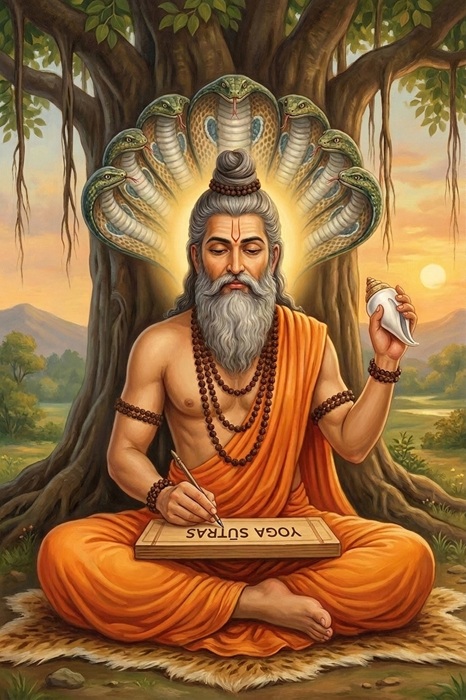
I played with these two terms during a talk I gave for the Grand Opening of Miraval Living in NYC, offering ideas for how to experience and accentuate them. Looking back over my notes today, I noticed how they bring to mind one of my yoga teacher’s favorite statements from Patanjali, the ancient codifier of yoga philosophy. I can hear her voice now in melodic Sanskrit: “Sthira Sukham Asanam.”
Sthira Sukham Asanam: Yoga Sutra 2.46
“Sthira” means steady, firm, immovable. “Sukham” means comfortable, pleasant, willing, sweet. “Asana” means posture or attitude (there’s more to this word for another time).
My teacher Rama translated this as “Find comfort in any pose,” which was not a typical translation. More often you’ll see something dry and literal, like “Posture should be firm and comfortable.”
How Synergy and Balance Show Up in Yoga Practice
So what does this have to do with synergy and balance? Synergy to me feels like sukham: sweetness and flow. Balance feels like sthira: that quality of steadiness and calm.
When Rama talked about it, I got a deep sense of what I was “doing” when I practiced yoga asana. These two qualities, equally engaged, created a sort of holy state for me that has informed the way I practice and guide ever since. If your poses feel all effort and no ease, or all ease and no steadiness, this is a place to start experimenting, and it’s OK if it takes a while to sort out which way you lean. You can try it in any class on the Sol Center class schedule.
Finding Comfort in Any Pose, and in Life
Rama meant a lot with that statement- more than yoga/meditation postures. She was also suggesting that we are learning how to flow with life. To not effort, control, or inflict our will upon the situations we find ourselves in. There was a way to find comfort anywhere, with anyone, under any circumstances. That was the realization of the sutra, and its deepest meaning. It’s simple, but not easy, and some situations will take a long, long time.
Consider for a moment: where or with whom in your life are you being too rigid, static, or serious? How might you find comfort in this pose, circumstance, relationship, or situation?
Try This: A Simple Sthira Sukham Practice
I invite you to try this in your body right now. Any yoga pose you like will do; Warrior II, Chair Pose, or even simply standing in Mountain Pose all work well.
Think of carrying a full cup of tea across the kitchen. Grip it too hard and your hand shakes, hold it too loosely and it slips. A pose works the same way.
Come into the pose and stay for five slow breaths. Then ask yourself two questions:
Where am I gripping? Check your jaw, your shoulders, your hands, your breath. Anywhere you’re holding on tighter than the pose needs is excess sthira, or rigidity. Soften that spot on an exhale.
Where am I collapsing? Check your low back, your chest, your front knee, your attention. Anywhere you’ve checked out or sunk into the pose is excess sukham, or slack. Wake that spot up. Press into your feet, lift through your spine, bring your mind back.
Then go back and forth a few times. Firm up, soften, firm up, soften, until you find the place in the middle (or even a hint of it) where you feel steady and sweet at the same time. That’s the synergy and balance we’ve been talking about. It’s usually quieter and simpler than you’d expect, and it’s OK if it takes a few tries.
Once you’ve felt it on the mat, take it off the mat. The next time you notice yourself tensing in a conversation, a traffic jam, or a to-do list, ask the same two questions. Where am I gripping? Where am I collapsing? Then adjust, just as you would in a pose.
Sthira in Vedic Astrology
One last thought. In Vedic Astrology the term “sthira” shows up again. It describes the fixed signs of the zodiac: Taurus, Leo, Scorpio, and Aquarius. On the positive side, sthira gives stability, endurance, and consistency to the matters these signs govern in your chart. On the difficult side, it can cause inertia, resistance, and stagnation. When a lot of your birth planets land in fixed signs, you learn plenty about both sides of the sthira equation. I have 5 planets in fixed signs, so I know of what I speak!
What Does Sthira Sukham Asanam Mean?
To keep it simple: Sthira Sukham Asanam is Yoga Sutra 2.46, Patanjali’s guidance on posture. Sthira means steady and firm, sukham means comfortable and sweet, and asana means posture or attitude. Put together, it says your pose, and by extension your way of meeting life, can hold both steadiness and ease. Too much of one gives rigidity or collapse; both together give balance.
Bringing It Home
Steadiness and sweetness can live in the same pose, and we don’t have to choose between them. Synergy and balance, sukham and sthira, flow and calm; when you let them work together, your practice (and your days) start to feel a little more like home.
If this kind of yoga philosophy speaks to you, I’d love to have you join us for yoga teacher training, where we explore these ideas in depth.

Natasha Korshak is a long-time teacher and trainer of yoga, meditation, mindfulness and MBSR, and has been working in the field of integrative health and wellness her entire professional career.